
The EV Market Has Shifted: What Vermont Drivers Should Know in 2026
How changes to federal incentives and shifting market demand are reshaping electric vehicle sales in Vermont and New Hampshire.
Just a year ago, electric vehicles were one of the fastest-growing segments of the automotive market. Federal incentives, state programs, and rising fuel prices encouraged many drivers to consider switching to battery-electric vehicles (BEVs).
But the EV landscape has changed quickly. Changes to federal incentives, affordability concerns, and practical charging considerations have caused many buyers to take a closer look at their options.
In Vermont and New Hampshire, many shoppers are now exploring a wider range of solutions including hybrids, plug-in hybrids, and occasionally used electric vehicles when the pricing makes sense.
💡 Quick Takeaway for Car Buyers
If you only read one part of this article, here are the key things happening in today's EV market:
- Federal EV incentives have changed significantly. Programs have been eliminated, affecting affordability for many buyers.
- New BEV registrations in Vermont have dropped sharply in the first months of 2026. Many drivers are reassessing whether a fully electric vehicle fits their budget and needs.
- Utility incentives still exist. Some Vermont electric utilities offer rebates on used EV purchases, sometimes up to $2,000 depending on income eligibility.
- Plug-in hybrids are gaining attention. They offer electric driving for short trips while keeping the flexibility of a gasoline engine for longer travel.
🔌 The EV Market Has Shifted Quickly
Changes in government incentives and vehicle pricing have reshaped the EV market faster than many analysts expected. While electric vehicles remain an important part of the automotive future, real-world buying patterns are evolving.
In Vermont, early 2026 registration data suggests new battery-electric vehicle registrations have dropped significantly compared with previous years. For many buyers, affordability and everyday practicality are playing a larger role in vehicle decisions.
That shift doesn't mean interest in efficient vehicles has disappeared. Instead, many drivers are expanding their search to include hybrids and plug-in hybrid models that offer a balance between electric driving and traditional fuel flexibility.
📍 Local Market Insight from Upper Valley Auto Mart
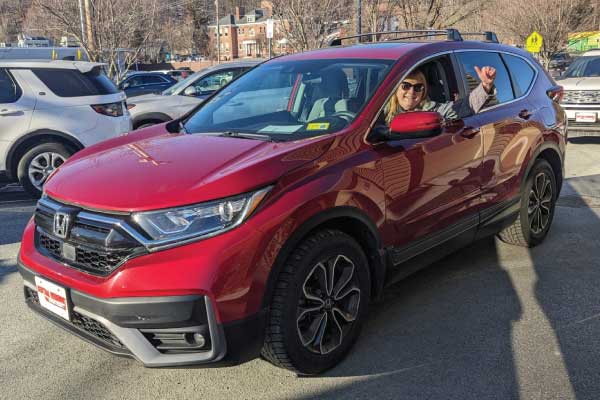
At Upper Valley Auto Mart in White River Junction, we work with customers across Vermont and New Hampshire every day. Over the past six months, demand for fully electric vehicles has slowed noticeably in our local market.
Across both of our dealership locations, we have sold only one battery-electric vehicle during that time period. At the same time, interest in plug-in hybrid vehicles has remained much more consistent.
Many customers tell us they like the idea of driving short distances using electric power while still having the security of a gasoline engine for longer trips. In rural areas of Vermont and New Hampshire, where charging infrastructure is still developing, that flexibility matters.
⚡ Utility Incentives Still Exist for Some Buyers
While some federal and state EV incentives have changed, a few opportunities still exist for buyers interested in electric vehicles.
Several Vermont electric utilities offer rebates for EV ownership or charging equipment. In some cases, income-qualified households may receive rebates of up to $2,000 on certain used electric vehicle purchases.
Because these incentives vary by utility provider and household income level, it is always best to check directly with your local electric company to see what programs may currently be available.
📉 Off-Lease EV Supply Could Create Lower Used EV Prices
Another factor that may shape the used EV market in 2026 is the number of electric vehicles reaching the end of their original lease terms.
Industry analysts expect a large number of battery-electric vehicles that were leased during the early EV adoption surge to begin returning to the market this year.
Because the current resale market for used EVs is softer than many leasing companies originally predicted, some of these vehicles may be sold for less than their original lease residual values.
If that trend continues, it could create some of the most competitive used EV pricing we have seen in the past four or five years. For buyers who have access to home charging and understand the strengths and limitations of electric vehicles, that may create attractive opportunities in the used market.
🔋 Why Plug-In Hybrids Are Getting More Attention
Plug-in hybrid vehicles (PHEVs) combine electric driving capability with the convenience of a gasoline engine.
Many plug-in hybrids can travel between 20 and 40 miles on electric power alone. For many drivers, that covers most daily commuting or errands.
When longer trips are required, the gasoline engine automatically takes over, eliminating the need to plan around charging stations.
- Electric driving for short daily trips
- No range anxiety on longer drives
- Refuel at any gas station
- Reduced fuel consumption compared with traditional vehicles
🚘 Explore Hybrid, Plug-In Hybrid, and Electric Vehicles
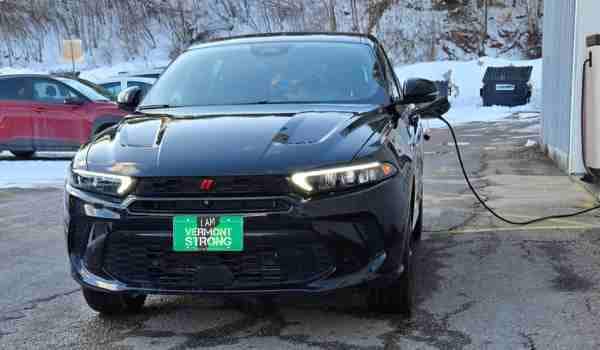
At Upper Valley Auto Mart, we regularly carry a mix of fuel-efficient vehicles including hybrids, plug-in hybrids, and occasionally battery-electric vehicles.
Many buyers appreciate the opportunity to compare different technologies before deciding what works best for their lifestyle and driving needs.
If you would like to see what options are currently available, you can browse our used cars for sale in White River Junction or explore our hybrid and electric vehicle inventory online.
📊 The EV Market Is Still Evolving
The shift toward electric vehicles is still underway, but like most major technology transitions, it rarely moves in a straight line.
Government policies change, vehicle technology improves, and consumer priorities evolve. For many drivers in Vermont and New Hampshire, the most important goal is choosing a vehicle that fits everyday driving needs and long-term budgets.
Whether that vehicle ends up being a hybrid, plug-in hybrid, or a fully electric model, the key is finding a reliable vehicle that makes sense for the way you drive.

Looking for more used car
buying advice?
 Published May 2025 | Updated July 2025 | Updated March 2026
